How to Find the Right Skylight for Your Roof: An Essential Buyer's Guide
Selecting the ideal skylight for a rooftop requires thoughtful evaluation of several elements. From exploring distinct options to identifying the correct size and location, all determinations affect the complete functionality and appearance. Energy-saving characteristics and building materials also serve vital functions. Additionally, opting for personal installation versus contracting an expert can impact both budget and final results. Given the abundance of alternatives, arriving at a knowledgeable choice can be complex yet satisfying. Where should one begin when narrowing down options?
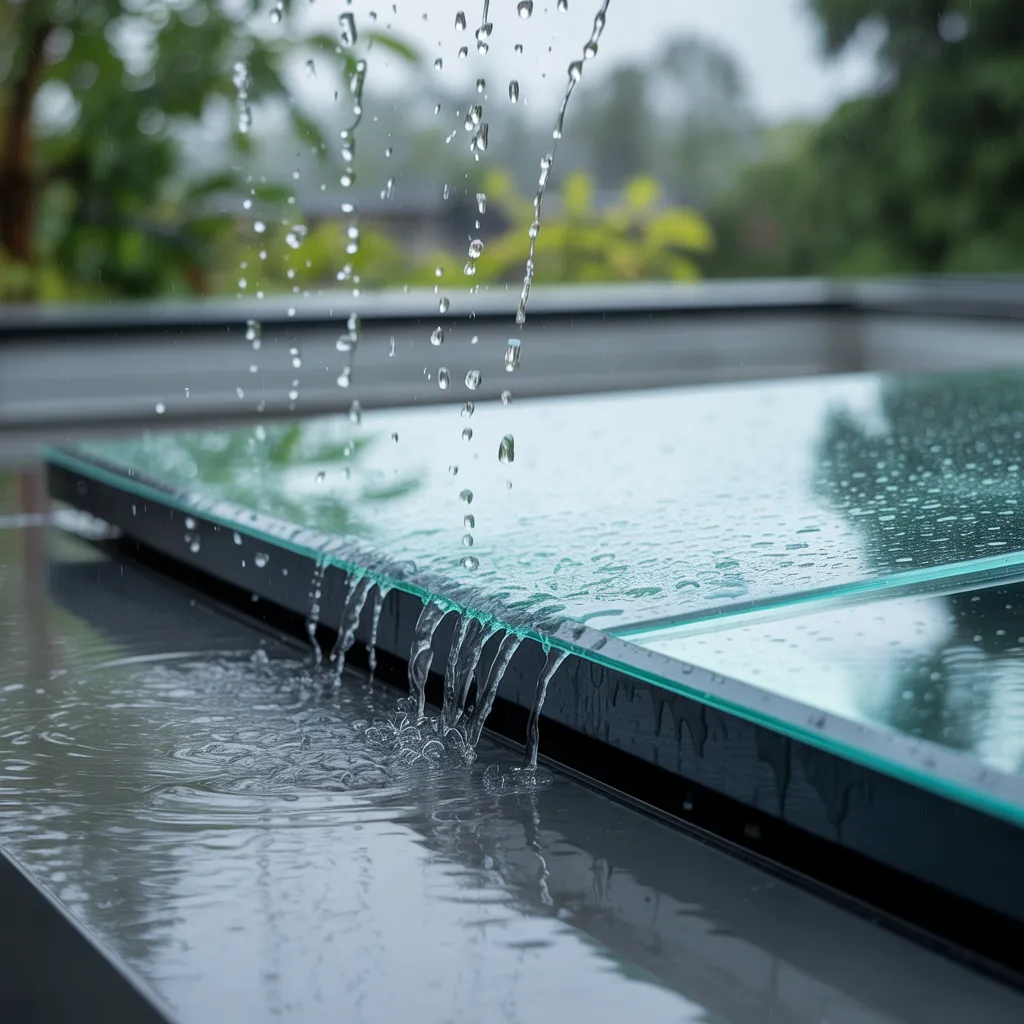
Understanding Different Skylight Types
Skylights are available in various types, each tailored to address distinct requirements and visual appeal. Fixed skylights are stationary and primarily used to provide natural light, making them ideal for spaces where ventilation is not a concern. Ventilated skylights, by contrast, are designed to open and promote air circulation, improving interior comfort levels. Tubular skylights are compact and designed for smaller spaces, funneling sunlight along a specially coated reflective tube, making them an excellent solution for hallways or bathrooms.
A range of glass types exists, encompassing acrylic and polycarbonate varieties, each providing varying degrees of insulation and UV protection. Additionally, a number of skylights feature built-in blinds or shading systems, allowing for enhanced management of light and privacy. Making the right choice entails weighing factors like climate, room function, and architectural style, ensuring that the selected skylight complements the overall design while fulfilling practical requirements.
Selecting the Correct Size and Placement
When selecting the ideal size and placement for a skylight, it is important to reflect on both the dimensions of the space and the intended degree of natural light. A bigger skylight can improve light levels in spacious areas, while smaller alternatives may work well for smaller rooms. Furthermore, the height of the ceiling and the orientation of the room connected information should factor into the decision; southward-facing positions generally optimize natural light absorption.
Proper placement is essential for achieving ideal light distribution. Skylights located near the heart of a room can brighten a larger area, while those fitted closer to walls may establish defined light zones. It is also important to take into account potential obstructions, such as trees or neighboring buildings, which may block sunlight. In the end, carefully weighing size and positioning ensures that the skylight successfully improves the atmosphere and usability of the area, establishing a balanced setting abundant with natural light.
Important Energy Efficiency Attributes in Skylights
Choosing skylights with energy efficiency in mind can greatly impact the overall energy usage of a home. Skylights designed for energy efficiency generally incorporate double or triple-pane glazing, which minimizes heat transfer and helps maintain indoor temperatures. Low-emissivity (Low-E) coatings serve as another critical feature, reflecting infrared light while allowing natural sunlight to enter, thus decreasing dependence on artificial lighting.
Moreover, skylights featuring insulated frames further enhance thermal performance, blocking cold drafts in winter and intense heat during summer months. Well-engineered skylights can also include ventilation systems, allowing for natural airflow that works to maintain indoor climate without excessive energy use.
Furthermore, opting for models with a high solar heat gain coefficient (SHGC) can maximize solar energy outcomes, making certain that homes remain comfortable year-round. By prioritizing these critical energy efficiency features, homeowners can achieve considerable savings on energy bills while contributing to a more environmentally conscious living lifestyle.
Components That Improve Durability and Aesthetics
When selecting a skylight, the choice of materials plays a vital role in both longevity and visual appeal. Property owners can select between glass and acrylic materials, each presenting notable advantages regarding durability and transparency. Additionally, the frame material must be considered to guarantee peak performance and seamless blending with the existing roof design.
Comparing Glass and Acrylic Options
Which material provides the ideal balance of durability and visual appeal for skylights: glass or acrylic? Glass skylights are renowned for their clarity and resistance to yellowing over time, making them an appealing choice for homeowners seeking longevity and a refined appearance. They further deliver outstanding scratch resistance, ensuring a consistently clear view and reduced maintenance demands. On the other hand, acrylic skylights are notably lighter and more impact-resistant, making them an ideal option for areas susceptible to harsh weather conditions or flying debris. That said, they may need more frequent replacement as a result of their vulnerability to UV degradation. Ultimately, the choice between glass and acrylic copyrights on the homeowner's priorities, such as desired aesthetics, maintenance levels, and environmental conditions. Both materials offer distinct benefits, each suited to varying needs and personal preferences.
Frame Material Factors
The material used for a skylight frame significantly impacts both strength and overall appearance. Common materials include aluminum, wood, and vinyl, with each providing unique benefits. Aluminum framing is known for being light and corrosion-resistant, making them suitable for various climates. Frames crafted from wood deliver a traditional aesthetic and strong insulation but require regular maintenance to prevent deterioration. Vinyl framing options are minimal in upkeep and highly energy-efficient, providing strong protection against moisture and UV exposure. In choosing the right frame material, take into account regional climate, the home's architectural style, and preferred upkeep levels. In the end, the best selection will boost the skylight's lifespan while harmonizing with the roof's architectural character.
Is It Better to DIY or Hire a Professional for Installation?
When evaluating skylight installation, homeowners need to balance their skills and experience against the complexities of the task. Financial factors also play a critical role, as DIY attempts may appear cost-effective but can result in unexpected costs. Additionally, the hazards connected to faulty installation can lead to significant long-term issues.
Required Skills and Experience
Evaluating whether to attempt skylight installation as a DIY project or work with a specialist requires a thorough assessment of one's skills and experience. Individuals who have solid experience in construction, roofing, or carpentry may find themselves capable of completing a skylight installation. Experience with equipment and safety guidelines can make the project more manageable. Conversely, people who lack the necessary background may run into obstacles, particularly with waterproofing and structural integrity. Proper installation is vital to prevent leaks and other issues. A professional, equipped with specialized knowledge and tools, can deliver a high-quality result and address potential complications. In the end, weighing personal skills against the demands of the project is critical for reaching a well-considered conclusion.
Cost Considerations and Risks
Evaluating the costs and risks of skylight installation can greatly influence the determination to attempt a do-it-yourself project or hire a professional. Those who prefer DIY may reduce labor expenses, but they must account for potential costs related to miscalculations, such as moisture problems or structural harm. Additionally, the expense of tools and supplies can add up quickly. Working with a skilled contractor ensures expert knowledge and minimizes risks, frequently leading to a faster and smoother installation. That said, this choice comes with greater initial expenses. Homeowners ought to consider their budget, abilities, and the intricacy of the installation prior to deciding. Ultimately, the determination should be guided by both financial capacity and the desire for quality workmanship, assuring a successful skylight installation.
Maintenance Tips for Long-Lasting Skylights
Consistent maintenance is key to guaranteeing the durability and performance of skylights. Homeowners should begin by periodically checking the skylight for signs of wear, such as fractures or water intrusion. Cleaning the glass with a non-abrasive cleaner ensures clearness and enables natural light to pass through without interference. Furthermore, examining the seals and flashing periodically is crucial; any breakdown can cause water penetration, which may lead to long-term structural harm.
It is equally important to clean away debris from the skylight's perimeter, as collected leaves and debris can hold moisture and lead to mold formation. When a skylight features a manual operation mechanism, regular lubrication will ensure seamless functionality. For those with electric skylights, checking the motor and wiring can help ward off potential malfunctions. By following these upkeep recommendations, homeowners can substantially increase the longevity of their skylights while sustaining their decorative and operational qualities.

Questions We Often Receive
What Effect Do Skylights Have on Indoor Temperature Throughout the Year?
Skylights can greatly influence the temperature inside a home by letting in natural light and heat during the winter months though they may also contribute to heat buildup during warmer months. The right installation techniques and glazing choices assist in managing indoor temperatures, boosting overall comfort and energy performance across all seasons.
Can Skylights Reduce My Energy Bills Significantly?
Skylights can notably reduce energy bills by boosting the amount of natural light available, decreasing the need for man-made lighting, and improving ventilation. Proper installation and energy-efficient models further optimize heating and cooling, generating considerable financial savings over the years.
What Are the Typical Skylight Installation Errors to Steer Clear Of?
Widespread skylight installation pitfalls involve improper flashing, insufficient sealing, wrong sizing, and improper placement. Overlooking these considerations can result in leaks, heat loss, and decreased effectiveness, in turn jeopardizing the skylight's desired advantages and durability.
How Do I Choose the Right Skylight for a Flat Roof?
Identifying the right skylight for a flat rooftop entails taking into account factors like energy efficiency, size, material, and design compatibility. Additionally, ensuring correct installation methods and drainage solutions can aid in preventing moisture issues and increase longevity.
What Kinds of Warranties Are Usually Available on Skylights?
Typically, skylights are offered with guarantees spanning ten to twenty years, protecting against flaws in materials and craftsmanship. Some manufacturers further extend additional warranty protection for certain elements, enhancing protection against moisture infiltration and other concerns over the years.